
Details That Make Remodels Look Finished
Precision trim and finish carpentry that completes interior upgrades and elevates craftsmanship throughout Orlando homes.
Trim work defines how polished your interior looks once walls are painted and flooring is installed, but poorly mitered corners, uneven reveals, and gaps where baseboards meet door casings signal rushed craftsmanship that detracts from the overall result. Custom trim and finish carpentry corrects these issues by measuring and cutting each piece to exact dimensions so joints fit tightly, profiles align, and transitions between surfaces appear intentional rather than improvised.
Warner Construction Group Inc. installs crown molding, baseboards, window casing, and decorative trim that matches existing millwork or introduces updated profiles that complement your Orlando home's interior style. Seamless transitions between floors, doors, and wall finishes require precise measurements, proper fastening techniques, and caulking or filling that blends joints before finish coats are applied.
If your remodel is nearly complete or you need to repair and replace outdated trim, contact Warner Construction Group Inc. to discuss how finish carpentry can tie together the entire project.
Why Trim Work Matters After Other Trades Finish
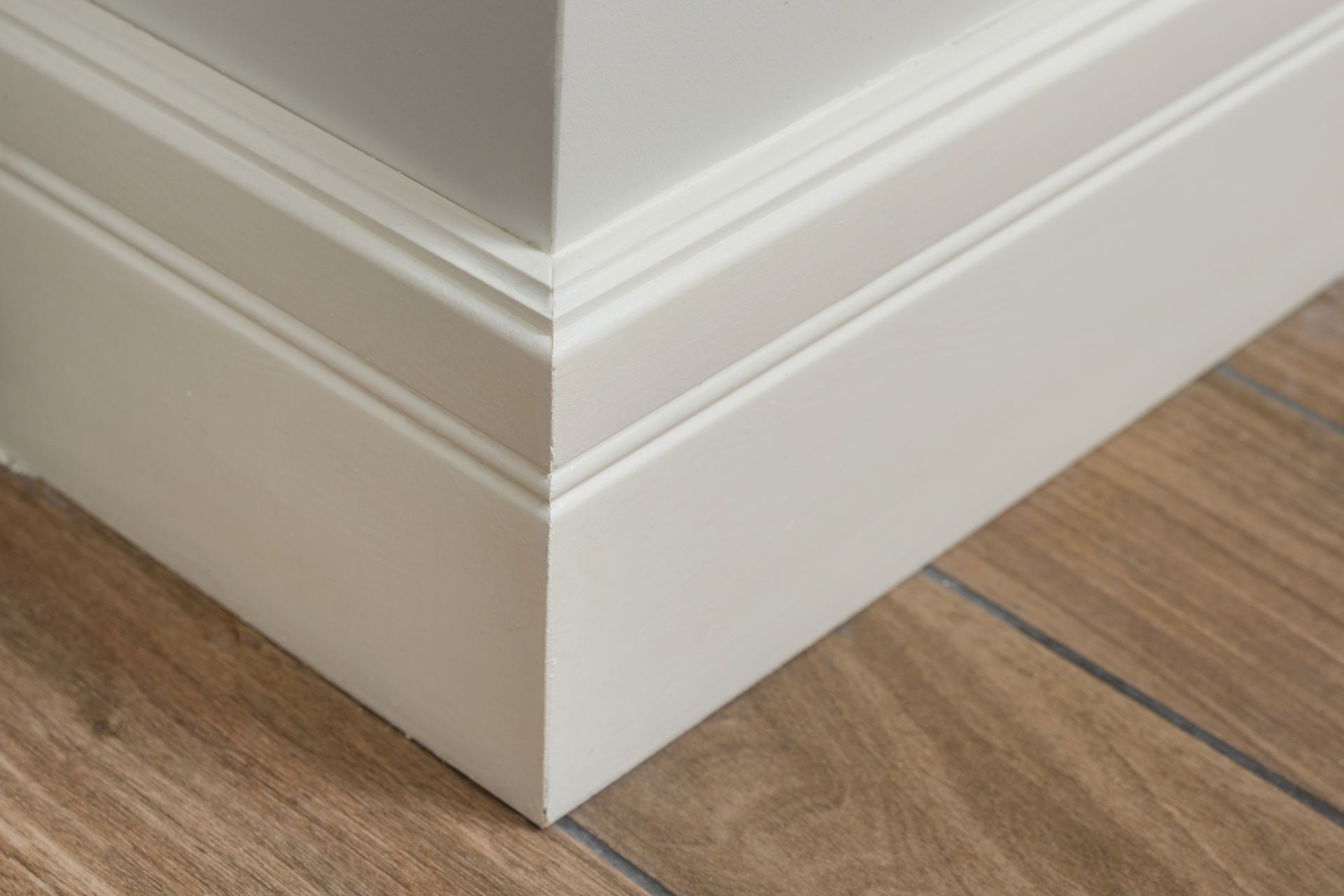
Finish carpentry happens after drywall, flooring, and paint are complete, and it serves to conceal gaps left by those trades while adding visual interest through profiles and proportions. Crown molding hides uneven ceiling lines, baseboards cover the expansion gap required by most flooring products, and window casings frame openings with consistent reveals that guide the eye. In Orlando, humidity causes wood to expand and contract, so trim is installed with small relief cuts and fasteners positioned to allow seasonal movement without cracking paint or opening joints.
Each piece is coped or mitered depending on the joint type, then test-fit before final installation to confirm alignment. Nail holes are filled with wood filler, sanded smooth, and primed so finish coats appear uniform across all surfaces. Door casings are shimmed where walls are not plumb, and corners are scribed to follow irregularities instead of forcing square cuts that leave gaps.
Once trim is installed and painted, the interior transitions from a construction site to a finished living space where details look deliberate and surfaces meet cleanly. Trim upgrades also increase resale value by signaling attention to craftsmanship that buyers notice during walkthroughs.
People Often Ask About Profile Choices
Trim and finish carpentry involves selecting profiles, materials, and installation methods that affect both appearance and long-term performance.
- What is the difference between coping and mitering corners? Mitering cuts two pieces at matching angles to form a corner joint, while coping involves cutting one piece to follow the profile of the other for a tighter fit. Coped joints hold up better in humid climates where wood movement causes mitered corners to separate over time.
- How do I choose the right crown molding size? Crown molding size should be proportional to ceiling height, with larger profiles suited for rooms with ceilings above nine feet. Smaller profiles work better in standard eight-foot rooms and avoid overwhelming the space visually.
- Why does trim need to be primed before painting? Priming seals wood grain and filler, preventing uneven absorption that causes blotchy finish coats. It also improves paint adhesion and durability, especially on trim exposed to moisture in bathrooms and kitchens.
- What trim material works best in Orlando humidity? Finger-jointed pine is cost-effective and stable for painted applications, while solid hardwood or MDF offers durability and premium finishes. MDF resists warping in high humidity and provides a smooth surface for paint, but should not be used where moisture contact is frequent.
- How long does custom trim installation take? Most trim installations in Orlando homes take one to three days depending on the number of rooms, profile complexity, and whether existing trim needs removal. Work includes measuring, cutting, fitting, fastening, filling, and priming before final paint is applied.
Custom trim and finish carpentry completes remodels by adding details that elevate craftsmanship and tie together floors, walls, and ceilings with clean transitions. If your Orlando home needs updated millwork, corner repairs, or new trim to match existing profiles, reach out to Warner Construction Group Inc. to review material options and schedule installation.